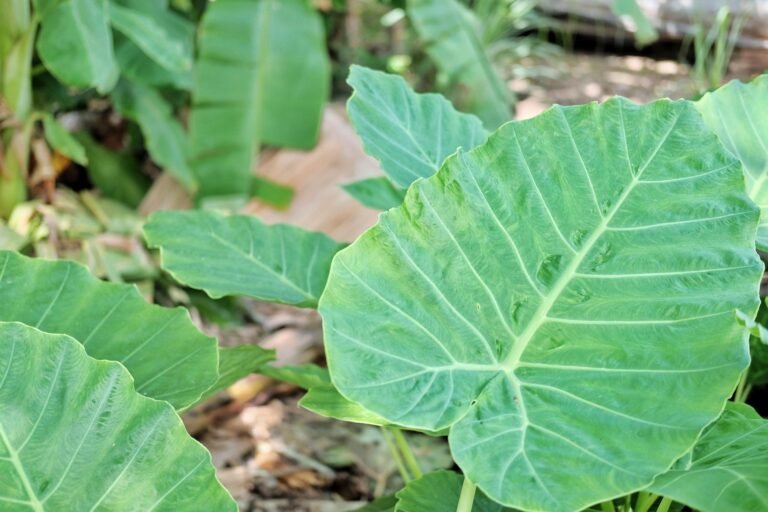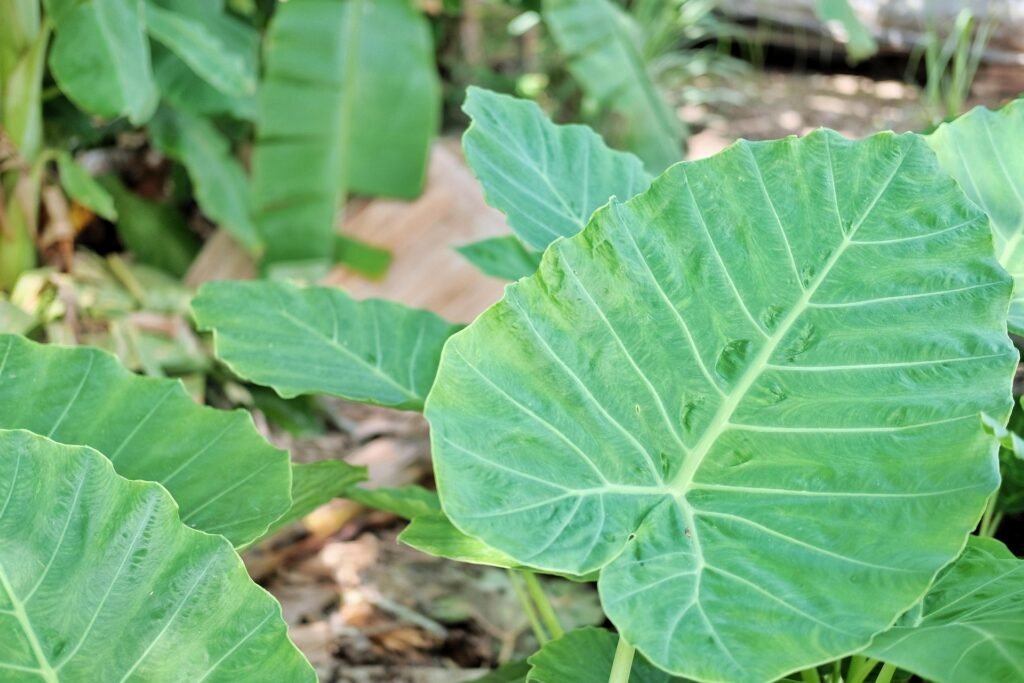
Elephant ear plants, which are prevalent in Broadlands (Colocasia, Alocasia, and related species), are popular ornamental plants known for their large, tropical-looking leaves. While attractive in gardens and landscapes, they can pose health risks to people and pets if handled or consumed improperly.
The primary danger comes from insoluble calcium oxalate crystals found throughout the plant. When the leaves, stems, or roots are chewed or eaten, these microscopic crystals can cause intense irritation to the mouth, tongue, throat, and digestive tract. Symptoms may include burning pain, swelling, excessive drooling, difficulty swallowing, and vomiting. In severe cases, throat swelling can interfere with breathing and require immediate medical attention. [aspca.org], [pmc.ncbi.nlm.nih.gov]
Elephant ear plants are also toxic to pets, including dogs, cats, and horses. Animals that ingest the plant may experience oral irritation, drooling, vomiting, and difficulty swallowing. Because of these risks, pet owners should keep elephant ear plants out of reach of curious animals. [aspca.org], [aspca.org]
Even handling the plant may cause skin irritation in some individuals, especially if sap comes into contact with sensitive skin. Wearing gloves when pruning or transplanting elephant ears is a sensible precaution. [biologyinsights.com]
Although elephant ear plants add beauty and dramatic foliage to landscapes, gardeners should be aware of their toxicity. Homeowners in Broadlands also need to keep their plants from growing to a point that they are a nuisance. Proper placement and careful handling can help prevent accidental exposure and keep both people and pets safe.
About The Author